06.07.2026
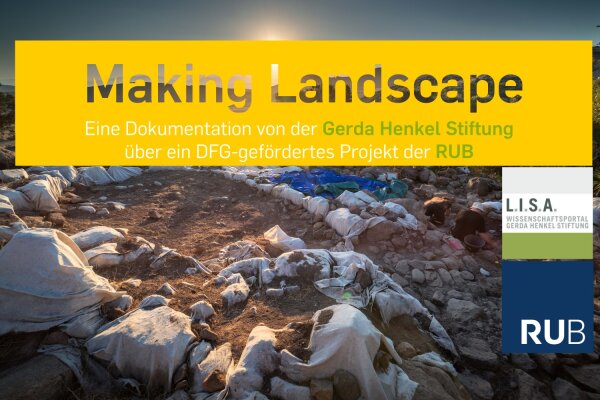
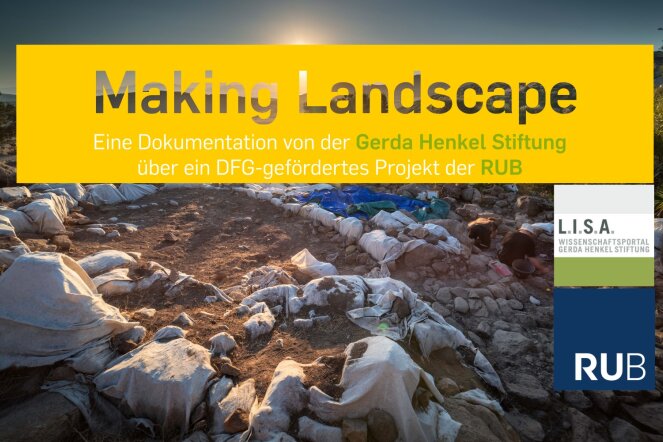
This documentary takes you to the island of Sant’Antioco and shows how our research project is reinterpreting the enigmatic nuraghi—not as isolated fortresses, but as hubs within a vibrant maritime landscape.
Fascinating Nuraghi Over Land and Sea
Monumental stone towers loom over the hills of Sant’Antioco and look out toward the sea—the backdrop of a Bronze Age culture whose history has often been oversimplified. The documentary follows Prof. Dr. Constance von Rüden and her team as they rethink these “stone colossi” as part of a dense network of communication and exchange in the Mediterranean region.
Our “Making Landscapes” Project
Since 2017, the project has been investigating the “taskscapes” of the island’s inhabitants: everyday practices of subsistence farming, exchange, and ritual, embedded in land and seascapes. Using remote sensing, geomorphological analyses, surveys, excavations, and underwater archaeology, the team reconstructs the spatial appropriation of the landscape—from the Middle Bronze Age through the Roman period.
From Cliché to Maritime World
The documentary shows how we challenge the stereotypical image of a “mountain society”—typically associated with shepherds—that supposedly lived with its back to the sea. Instead, the focus shifts to the harbors, coastal towns, and maritime infrastructure on Sant’Antioco: nuraghi facing the sea, natural bays, and dense archaeological sites attest to Sardinia’s active participation in Bronze Age communication and trade networks.
Archaeology That Captivates
Viewers experience excavation campaigns in the “villaggio” of Grutt’i Acqua, where well-preserved structures and a wealth of artifacts offer a rare glimpse into Nuragic households and their relationship with the environment. At the same time, the documentary highlights how local partners and international collaborations—such as with the Leon Recanati Institute for Maritime Studies in Haifa—are making a decisive contribution to the archaeological exploration of a maritime landscape that has never before been systematically studied.
This documentary takes you to the island of Sant’Antioco and shows how our research project is reinterpreting the enigmatic nuraghi—not as isolated fortresses, but as hubs within a vibrant maritime landscape.
Fascinating Nuraghi Over Land and Sea
Monumental stone towers loom over the hills of Sant’Antioco and look out toward the sea—the backdrop of a Bronze Age culture whose history has often been oversimplified. The documentary follows Prof. Dr. Constance von Rüden and her team as they rethink these “stone colossi” as part of a dense network of communication and exchange in the Mediterranean region.
Our “Making Landscapes” Project
Since 2017, the project has been investigating the “taskscapes” of the island’s inhabitants: everyday practices of subsistence farming, exchange, and ritual, embedded in land and seascapes. Using remote sensing, geomorphological analyses, surveys, excavations, and underwater archaeology, the team reconstructs the spatial appropriation of the landscape—from the Middle Bronze Age through the Roman period.
From Cliché to Maritime World
The documentary shows how we challenge the stereotypical image of a “mountain society”—typically associated with shepherds—that supposedly lived with its back to the sea. Instead, the focus shifts to the harbors, coastal towns, and maritime infrastructure on Sant’Antioco: nuraghi facing the sea, natural bays, and dense archaeological sites attest to Sardinia’s active participation in Bronze Age communication and trade networks.
Archaeology That Captivates
Viewers experience excavation campaigns in the “villaggio” of Grutt’i Acqua, where well-preserved structures and a wealth of artifacts offer a rare glimpse into Nuragic households and their relationship with the environment. At the same time, the documentary highlights how local partners and international collaborations—such as with the Leon Recanati Institute for Maritime Studies in Haifa—are making a decisive contribution to the archaeological exploration of a maritime landscape that has never before been systematically studied.

Copyright © ArchWiss 2026
Last update: Jul 06, 2026